

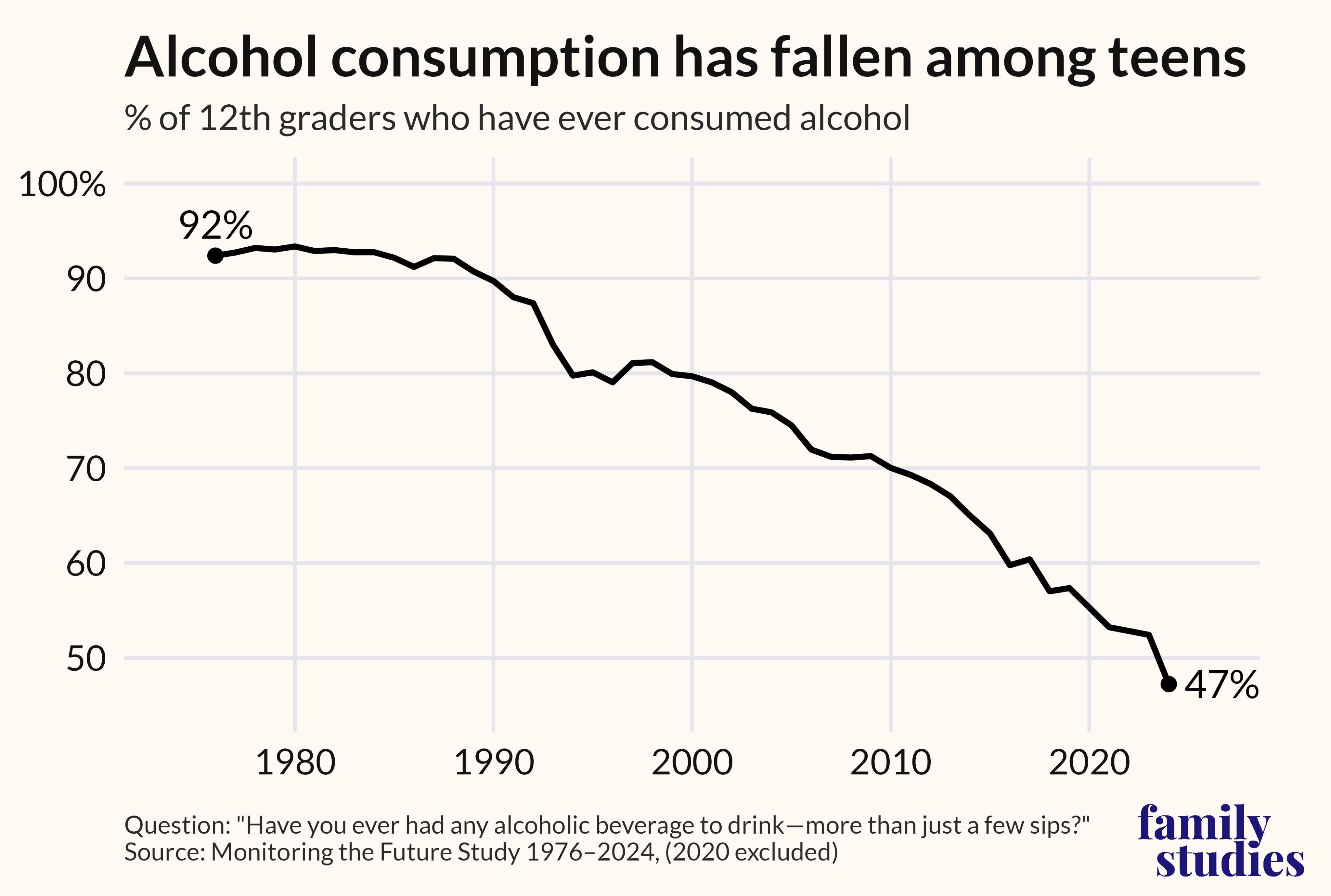
God, this chart encapsulates an entire generational shift once the full context hits you. Look at the data: in the late 1970s, over 90 percent of 12th graders had consumed alcohol. By 2024, that number plummeted all the way down to 47 percent.
On the surface, less teen drinking sounds like a massive win. But when you look at the bigger picture, it points to a much deeper, more isolating reality. In the name of optimizing every aspect of society through technology, we have removed something deeply essential to the human experience: the friction of day-to-day interactions.
Job interviews used to require going in person with the real risk of face-to-face rejection. Now, resumes are submitted with a single click online. Young people, already demoralized by a tough job market, feel even more isolated when they submit endless resumes to “ghost jobs,” which are just online postings left open with no real intent to hire.
Then enter dating. Out of young men between the ages of 18 and 25, almost half have never approached and asked out a woman in person. For millennials and Gen Z, dating apps are just the norm. 35 percent of unmarried young adults have never been in a committed romantic relationship. In Gen Z, 44 percent of young men report having zero relationship experience, which is nearly double compared to previous generations.
Even getting food has changed. DoorDash is wonderfully convenient, and yet again, it removes all friction from even getting a meal. Just leave it at the door. You don’t even have to look at another human being.
The business model of every single social media app is to quite literally keep you on the screen for as long as possible via retention tricks. Algorithmic radicalization is replacing genuine social interaction pretty quickly.
It is really no wonder drinking and sex are down while nihilism is up. Teens aren’t drinking less because they are suddenly making healthier, more mindful lifestyle choices. They are drinking less because they aren’t going out. They aren’t gathering, they aren’t partying, and they aren’t interacting.
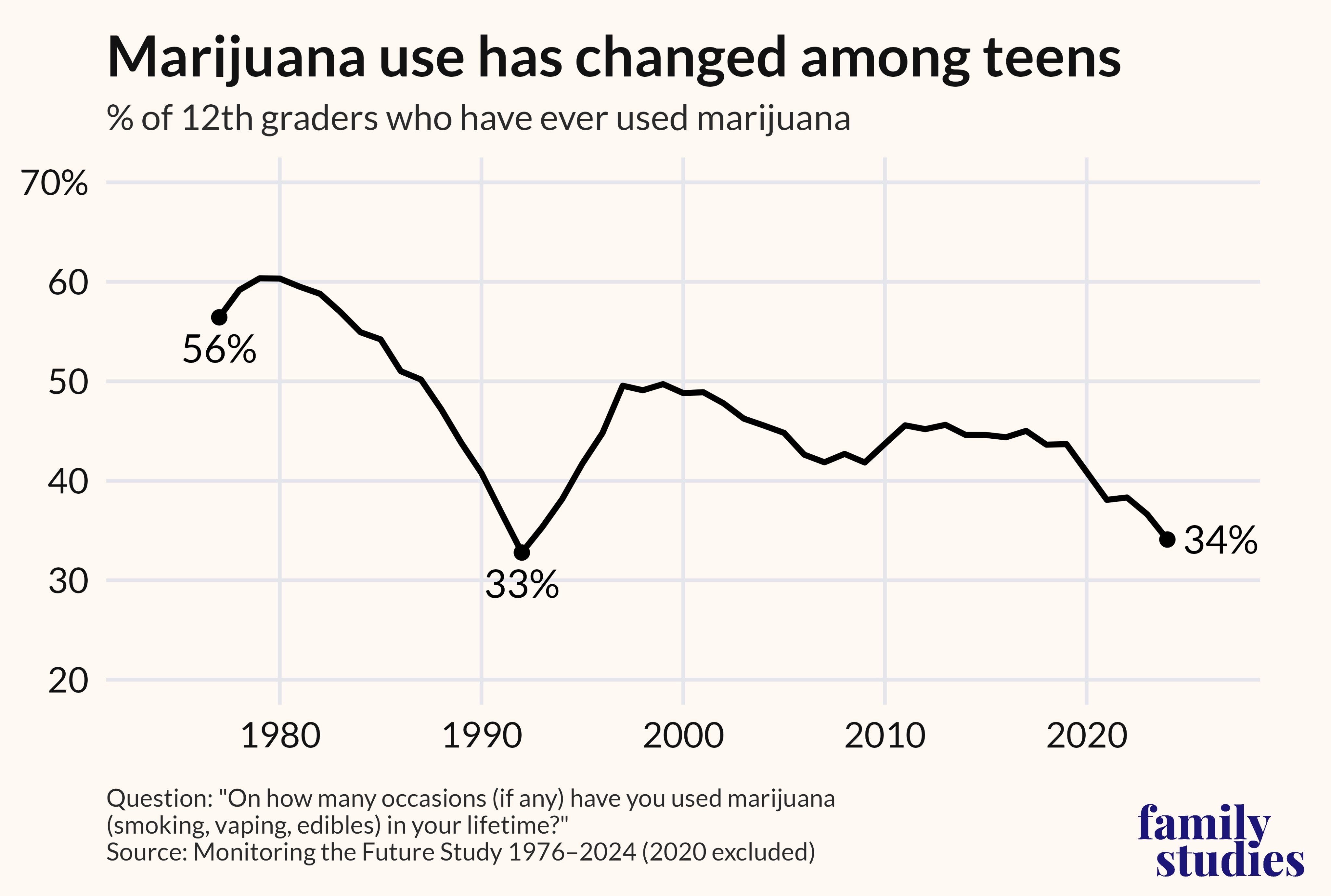
My first initial reaction to the chart was that maybe alcohol was replacing weed, although weed looks like it’s on the decline as well.
This chart on alcohol is just one single stroke in a huge painting once you realize that the entire social apparatus through which we interacted with each other has been completely uprooted and replaced with a digital world of endless, lonely stimulation.
But not all hope is lost. We can still choose to step out of our comfort zones, look up from our screens, and build real communities.
If you want to support our work as we try to build those real-world spaces, have genuine conversations, and continue to push back, please consider becoming a free or paid subscriber below. It truly makes my work possible in a world of big tech algorithms that hate conversations like this one.
Thank you.
Thanks for the post, Adam. I'm not too concerned about the alcohol and marijuana data points, except that social media may be replacing one unhealthy behavior for another. The most concerning one was the drop in the number of guys who have asked a girl/woman out in person. That's troubling. Getting rejected to your face is a rite of passage. :-) And, nothing is a purer dopamine hit than having a girl/woman say "yes" when you ask her out. That high lasts up to the date. Come on, young guys. Strap 'em up!
This is a very sad commentary for the youth of America. I wish I had answers to the questions this presents. I grew up in a time when socialization was everything and I do understand how this happened what with Covid and the internet and AI etc. I hope things can change because the youth are our future.